
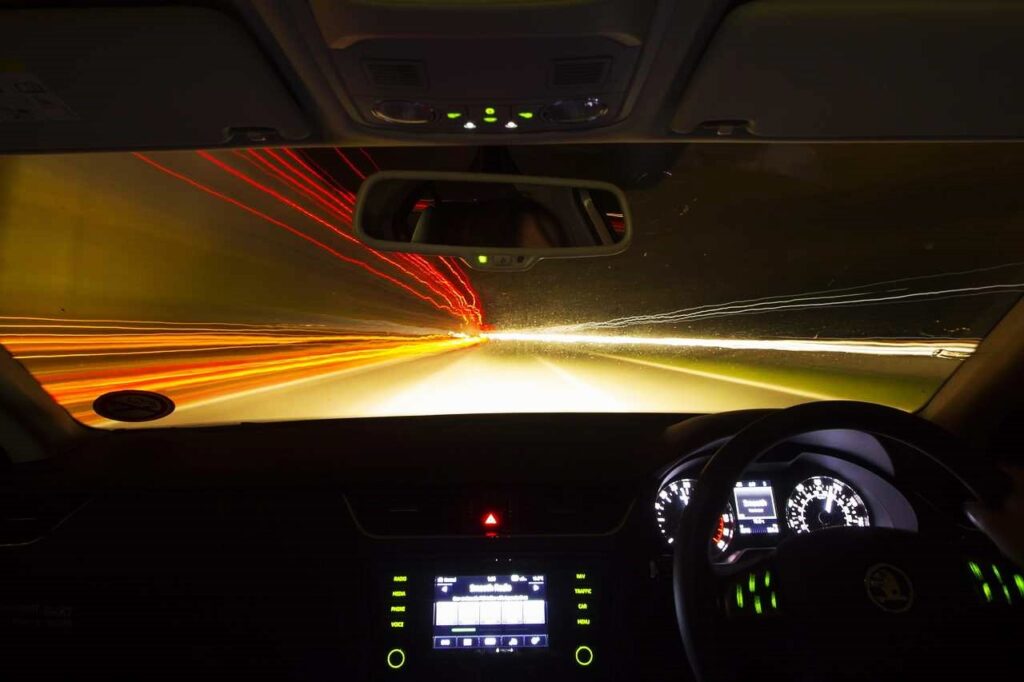
When Smart Technology Fails The Hidden Dangers of AI-Based Driving Systems
The Hidden Dangers of AI-Based Driving Systems
Smart technology has rapidly reshaped modern transportation. Across the UK, AI-based driving systems are being promoted as safer, faster, and more efficient alternatives to traditional driving. Features such as lane assistance, adaptive cruise control, and partial autopilot are now common in many vehicles. While these systems promise innovation, they also introduce serious risks when technology fails or is misunderstood. As automated driving becomes more visible on UK roads, it is increasingly important to examine the hidden dangers behind AI-powered driving systems.
The Growing Role of AI in Modern Driving
Artificial intelligence in vehicles is designed to assist drivers by processing large volumes of data in real time. Cameras, sensors, radar, and mapping systems work together to identify road signs, traffic flow, pedestrians, and nearby vehicles. In theory, this creates a smarter driving environment with fewer human errors. However, AI-based driving systems are not truly autonomous. Most current technologies operate at partial automation levels, meaning human drivers are still legally and practically responsible for controlling the vehicle. The challenge arises when drivers assume that smart systems are capable of handling complex situations independently, leading to reduced attention and slower reaction times.
Overconfidence and Driver Complacency
One of the most dangerous side effects of AI-based driving systems is overconfidence. When drivers rely too heavily on automation, they often disengage mentally from the driving task. Studies and real-world incidents show that drivers using autopilot features may check their phones, adjust settings, or lose situational awareness altogether. This complacency becomes especially risky in urban areas, night driving conditions, or unpredictable traffic scenarios common across UK cities and motorways. When AI systems suddenly require human intervention, drivers may not respond quickly enough, increasing the likelihood of collisions and near-miss incidents.
Technology Limitations in Real-World Conditions
AI driving systems perform best in controlled environments with clear road markings, consistent signage, and stable weather conditions. Unfortunately, UK roads are rarely perfect. Heavy rain, fog, snow, roadworks, faded lane markings, and temporary traffic signs can all confuse automated systems. AI cameras may struggle to detect pedestrians in low-light conditions, while sensors can misinterpret shadows, reflections, or parked vehicles. In rural roads or older city layouts, mapping data may be outdated or inaccurate. These limitations reveal a critical weakness: AI systems do not “understand” the road the way humans do. They rely on patterns, not judgment.
The Problem of Delayed Decision-Making
Human drivers instinctively react to unexpected hazards, such as a child stepping into the road or a cyclist swerving suddenly. AI systems, however, must process data, calculate risk, and execute commands. Even milliseconds of delay can have serious consequences at higher speeds. In some documented cases, AI-based driving systems failed to recognize stationary vehicles, emergency responders, or unusual obstacles until it was too late. These delays highlight how automated driving still lacks the instinctive decision-making that experienced human drivers develop over time.
Misunderstanding Autopilot Capabilities
A major issue surrounding AI-based driving systems is poor public understanding. Marketing terms such as “autopilot,” “self-driving,” or “full automation” can mislead drivers into believing the vehicle is more capable than it actually is. In reality, most systems require constant supervision. When drivers misunderstand system limitations, they may ignore alerts, warnings, or hand-over requests. This mismatch between expectation and reality creates dangerous situations, particularly on long motorway journeys where fatigue already plays a role.
Cybersecurity and System Vulnerabilities
As vehicles become more connected, cybersecurity risks also increase. AI-based driving systems rely on software updates, cloud connectivity, and digital communication. Any vulnerability in these systems could expose vehicles to hacking, data manipulation, or system failure. While large-scale cyberattacks on vehicles remain rare, the possibility cannot be ignored. A compromised navigation system, sensor malfunction, or corrupted software update could interfere with braking, steering, or route guidance. This introduces a new category of risk that traditional vehicles never faced.
Legal Responsibility and Accountability Issues
When an accident involves AI-based driving systems, determining responsibility becomes complex. Is the driver at fault for relying on automation, or does responsibility lie with the software provider or vehicle manufacturer? UK traffic laws still place responsibility firmly on the human driver, regardless of automation level. This legal reality often surprises drivers who assume that technology reduces liability. The lack of clear accountability standards creates confusion and may discourage responsible usage of AI-assisted driving features.
Impact on Public Trust and Road Safety
Every high-profile failure involving AI driving systems damages public trust. When technology is perceived as unreliable or dangerous, it creates resistance rather than acceptance. For AI-based transportation to succeed long term, safety must be demonstrably improved, not just promised. Professional drivers, taxi operators, and transport services across the UK continue to emphasize the importance of trained human judgment. In many cases, experienced drivers using digital tools responsibly provide safer outcomes than fully automated systems operating without proper oversight.
Balancing Innovation with Human Control
AI-based driving systems are not inherently dangerous. When used correctly, they can reduce fatigue, assist with navigation, and support safer driving habits. The real danger arises when technology replaces attentiveness instead of supporting it. The future of safe transportation lies in balanced integration. Human drivers must remain alert, informed, and in control, while AI systems function as advanced support tools rather than decision-makers. Clear regulations, better driver education, and transparent technology design are essential to achieving this balance.
Smart Technology Still Needs Smart Drivers
Smart technology has transformed modern travel, but AI-based driving systems are not fail-proof. Hidden dangers such as driver complacency, technical limitations, delayed reactions, and cybersecurity risks continue to pose serious challenges to road safety. In the UK’s complex driving environment, human awareness remains irreplaceable.
As transportation technology evolves, the message is clear: automation should assist drivers, not replace responsibility. Until AI systems can fully match human judgment, experience, and adaptability, smart driving will always require smart, attentive drivers behind the wheel.